IN THIS ISSUE
- In the News
- Space Force project takes fluid power engineering and control to the extreme
- Fluid Power World
- Hydraulic Motion Control Still Critical to Industrial Automation
- Power & Motion
- How Collaboration Turned Waste Into Precision
- The Pilothouse
- Tech Tips
- RMCTools Trapezoid Commands
- Delta Motion YouTube
- How Fast Can A Hydraulic Cylinder Go
- Delta Motion YouTube
- When Hose Instead of Pipe is Acceptable
- Upcoming Events
- Upcoming Webinar: Deep Dive into the Latest EtherCAT Developments
- Upcoming Tradeshows & Conferences
- Upcoming Training Options
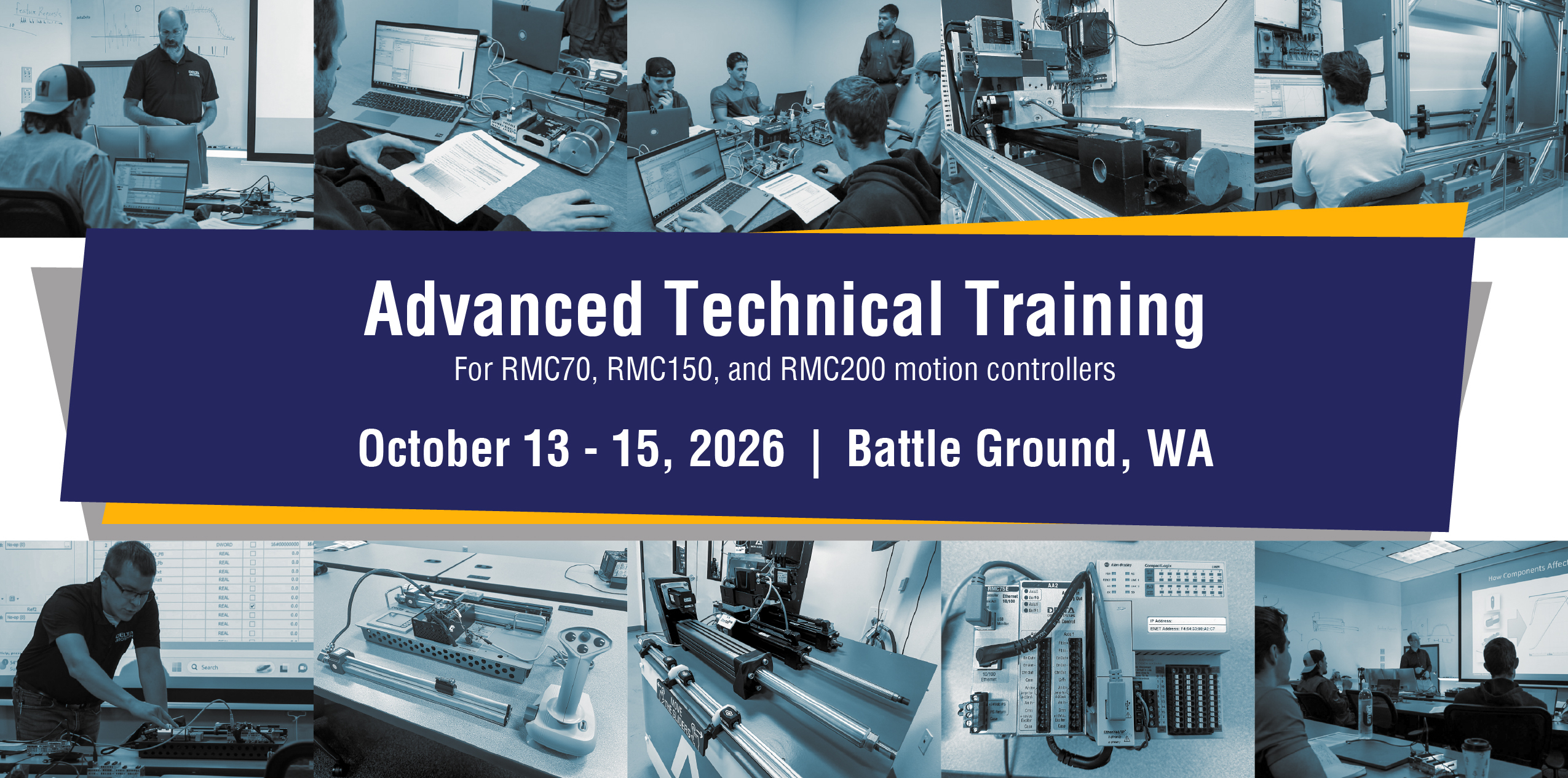
- Advanced Technical Training: October 13-15, 2026
|
|
|
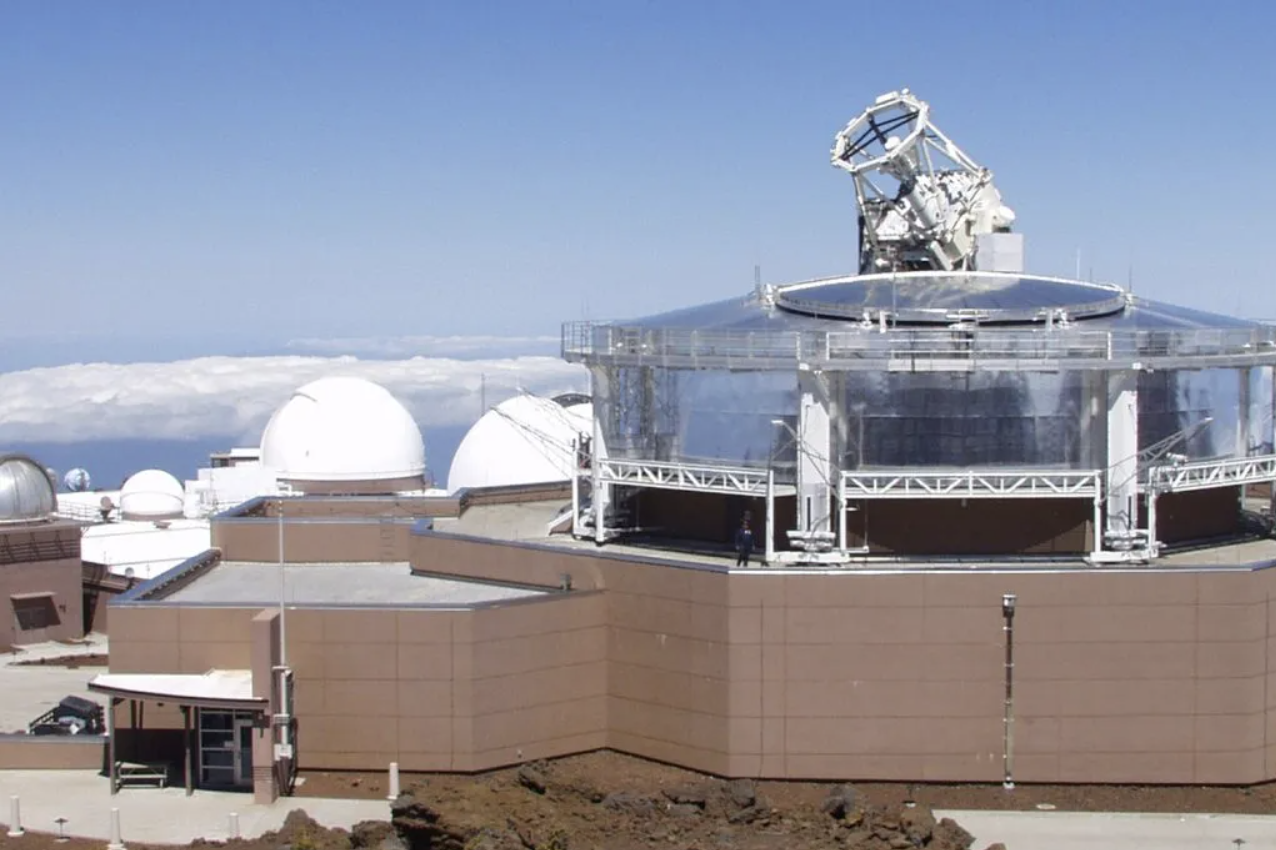
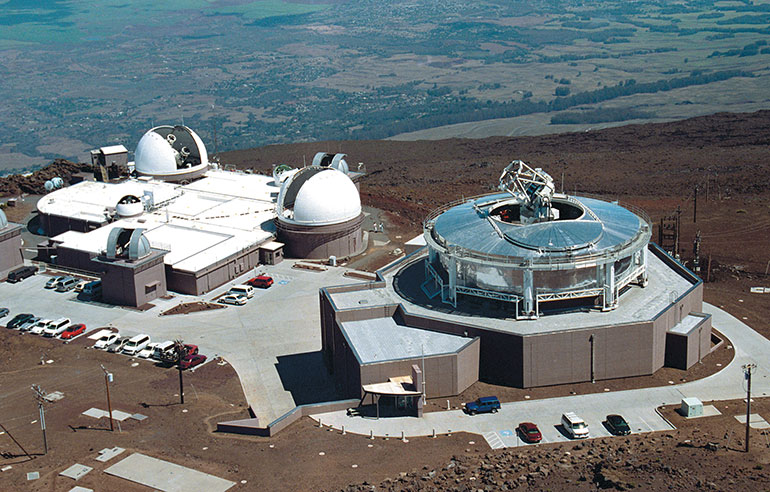
Space Force Project Takes Fluid Power Engineering and Control to the Extreme
|
|
|
When the U.S. Space Force needed to modernize a critical telescope dome used for space surveillance, the solution demanded more than just hydraulics. It required precision motion control. See how Delta Motion technology helped bring new life to a complex hydraulic system operating in one of the most challenging environments imaginable: a mountaintop observatory on Maui. This real-world success story highlights the performance, reliability, and control capabilities that make Delta Motion a trusted partner for mission-critical applications.
|
|
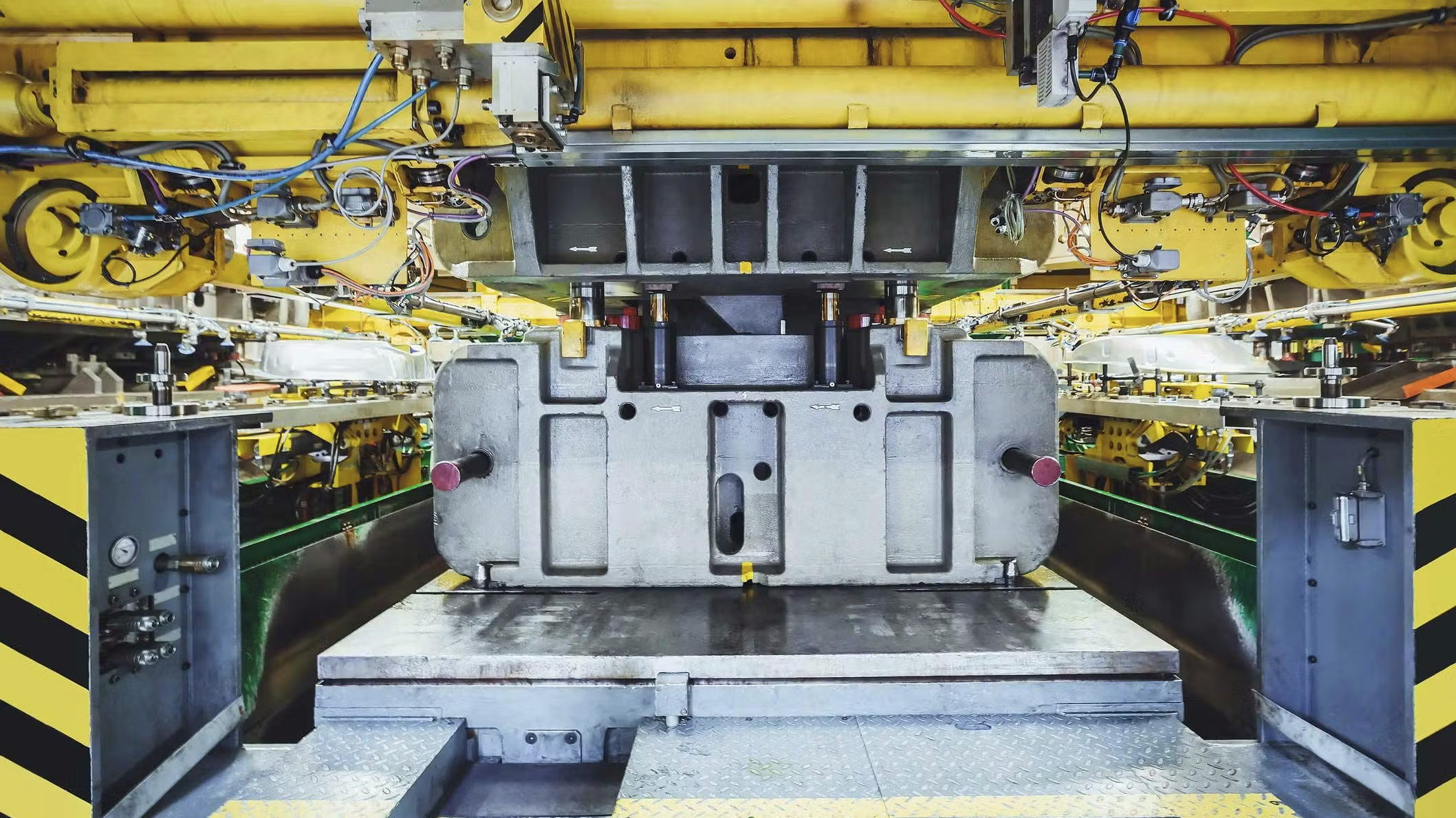
Hydraulic Motion Control Still Critical to Industrial Automation
|
|
|
As manufacturers continue to embrace automation, many assume electric motion systems will replace hydraulics. The reality is far different. In this insightful article, Delta Motion explores why hydraulic motion control remains a critical technology for industrial automation, especially in applications requiring high force, precision, and durability. Learn how advances in sensors, control algorithms, and motion technology are helping manufacturers achieve greater performance, improved product quality, and increased efficiency while leveraging the strengths of hydraulic systems. Discover why Delta Motion continues to lead the way in bringing modern automation capabilities to demanding hydraulic applications.
|
|
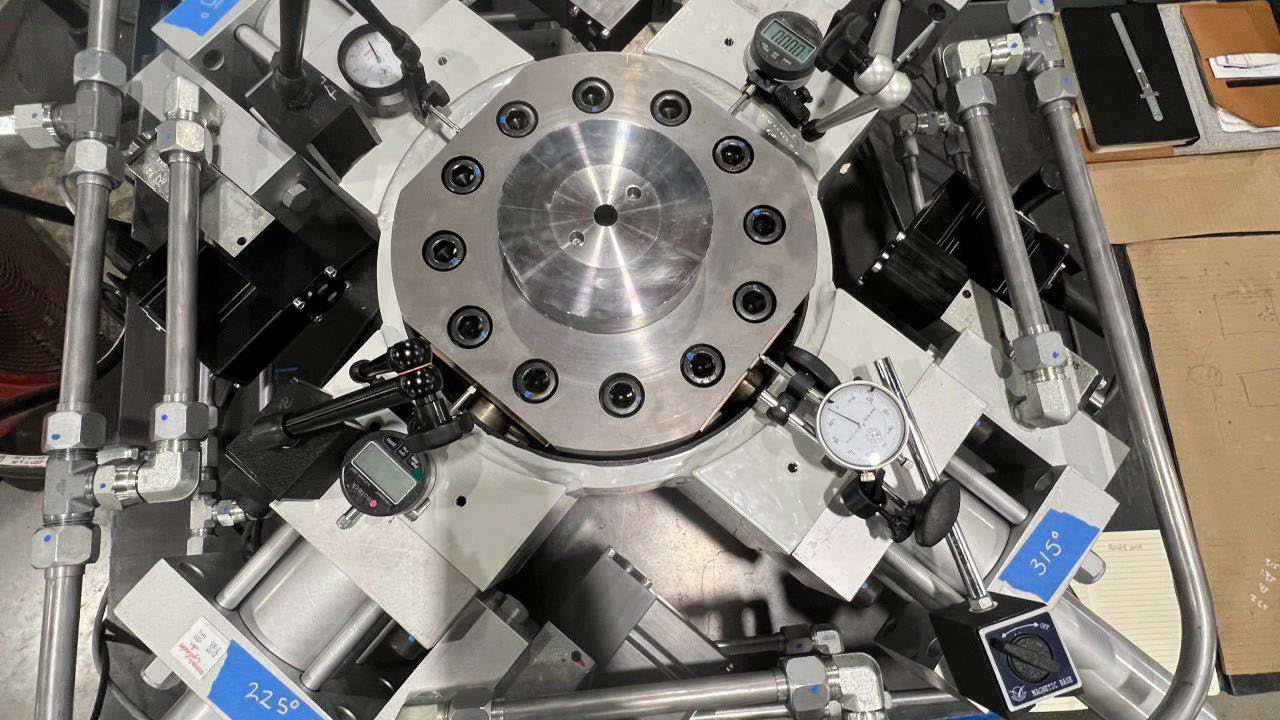
How Collaboration Turned Waste Into Precision
|
|
|
Legacy equipment doesn't have to limit performance. See how a Delta Motion RMC200 helped breathe new life into a 40-year-old hydraulic extrusion system, turning a process once dependent on trial and error into a precision-controlled manufacturing operation. Through advanced closed-loop position and pressure control, the system delivered exceptional accuracy, reduced material waste, shortened changeovers, and exceeded customer expectations. This application highlights how Delta Motion controllers help manufacturers modernize existing machinery, improve product quality, and maximize the value of their equipment investments.
|
|
RMCTools Trapezoid Commands
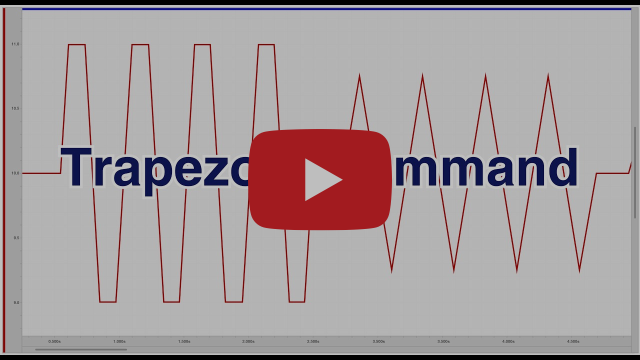
Learn about the new Trapezoid Waveform Command available in Delta Motion RMC motion controllers.
This powerful feature enables the generation of trapezoid, triangle, sawtooth, and square wave motion profiles for both position and force control applications. Amplitude, offset, phase, and waveform shape can all be adjusted on the fly without interrupting operation, providing exceptional flexibility for dynamic testing and automation applications.
The waveform command also supports adaptive amplitude control, making it particularly well-suited for fatigue testing, material testing, and other applications that require precise, repeatable cyclic motion.
|
|
|
|
In this video, you'll see how the Trapezoid Waveform Command can be used to create customizable motion profiles and simplify the implementation of complex test routines.
|
|
How Fast Can A Hydraulic Cylinder Go
Many people assume hydraulics are slow, outdated, and incapable of high-speed motion. But is that really true? In this video, we put that assumption to the test and the results were surprising.
Using a standard hydraulic motion control system, we set out to answer a simple question: How fast can hydraulics go? Rather than designing a custom high-speed machine, we used equipment we already had in our lab, selected a small 1-inch bore hydraulic cylinder, paired it with a large servo valve, and pushed the system to its limits.
|
|
|
|
Watch as the cylinder reaches speeds exceeding 115 inches per second, completes moves in less than 0.3 seconds, and demonstrates the impressive performance modern hydraulic systems can achieve when combined with advanced motion control.
|
|
When Hose Instead of Pipe is Acceptable
Customer testing demonstrated that a 24-inch braided stainless-steel hose can provide acceptable performance in a static hydraulic force control application. While hard tubing remains the preferred solution for maximum stiffness and closed-loop performance, this testing showed that a properly tuned system can successfully accommodate a short length of braided hose in this application.
Hard tubing is often used in hydraulic force control systems to maximize stiffness and minimize hydraulic compliance. However, installation constraints, machine layout, serviceability requirements, and cost considerations can sometimes make braided stainless-steel hose a more practical alternative. The question then becomes: When is hose acceptable, and what impact will it have on system performance?
A recent customer test evaluated the impact of replacing hard tubing with 6,000 psi braided stainless-steel hose in a force control application using a Delta RMC and Parker D1FP proportional valves.
Test Results
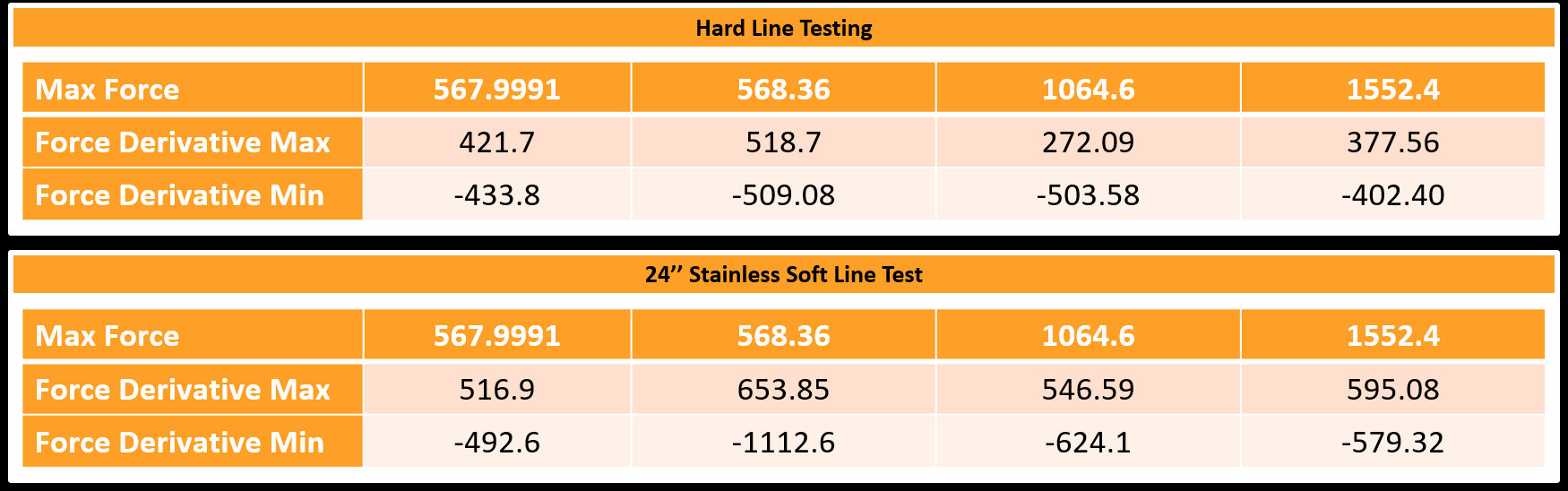
Testing was performed at multiple force levels using both hard tubing and a 24-inch braided stainless steel hose assembly.
|
|
|
|
Table 1. Hard Line vs. 24" Braided Stainless Steel Hose Performance
|
|
|
The customer observed:
- Stable and repeatable force control performance
- Force accuracy remained within the application's acceptable tolerance range
- External disturbances applied to the hose were not visible in the force feedback data
- Additional damping was required compared to the hard-line configuration due to the increased compliance introduced by the hose assembly
The primary difference observed was an increase in force oscillation as hose length increased. The customer noted that peak-to-peak oscillations scaled approximately linearly with hose length. This behavior is consistent with the additional compliance and fluid volume introduced by the hose assembly. Longer hose lengths reduce hydraulic stiffness and can make force and position control more challenging, particularly in high-performance applications.
Tuning Considerations
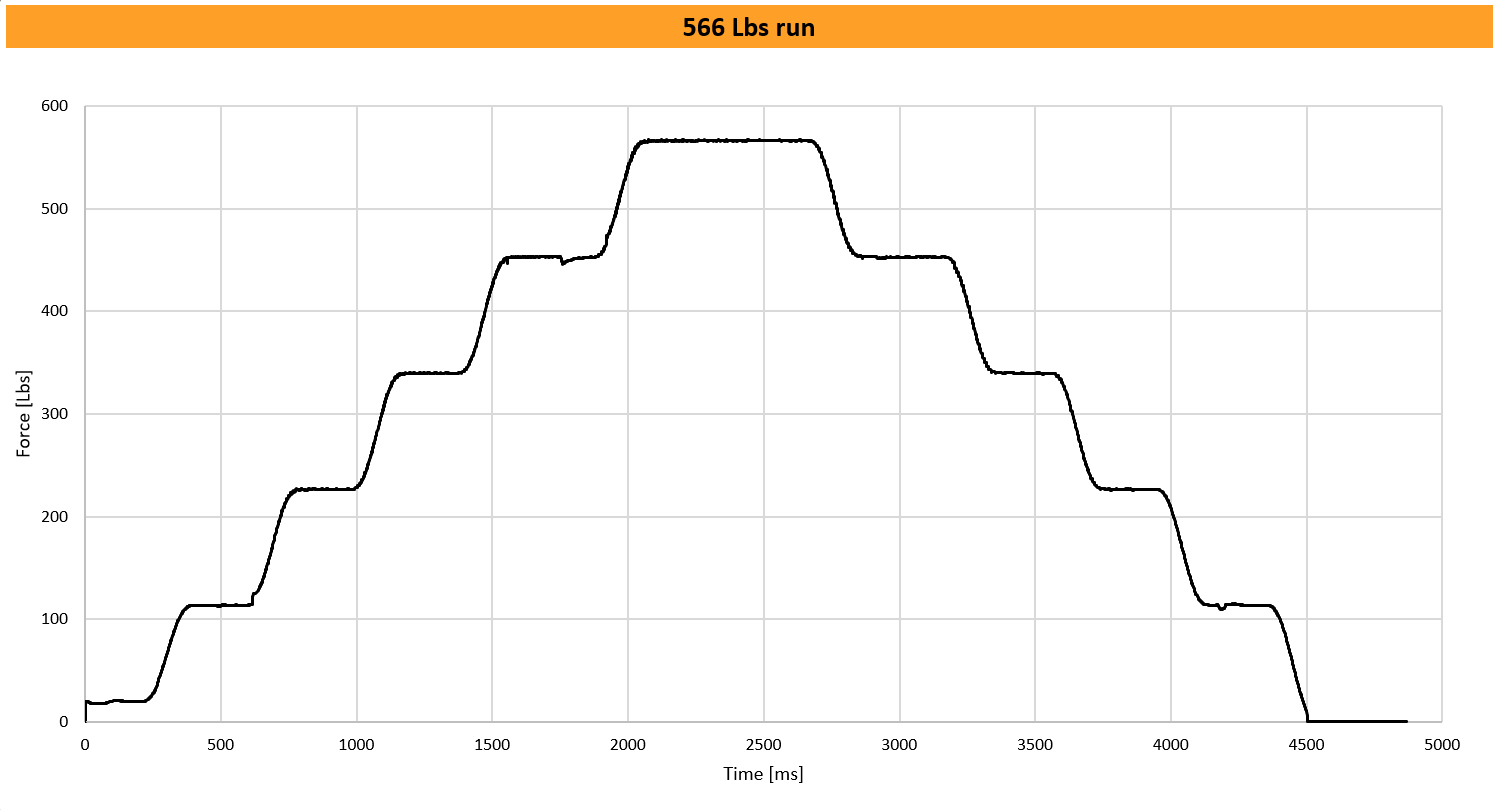
The customer was able to achieve acceptable performance after increasing damping compared to the hard-line configuration. This result demonstrates that short lengths of braided stainless-steel hose can be accommodated in some applications, although the increased compliance reduces hydraulic stiffness and may limit achievable bandwidth.
|
|
|
|
Figure 1. 566 lb Force Control Test with 24" Braided Stainless Steel Hose
|
|
|
The addition of a 24-inch braided stainless-steel hose required increased damping compared to the hard-line configuration. Force accuracy remained within the application's acceptable tolerance range, and external disturbances applied to the hose were not visible in the force feedback data.
|
|
|
|
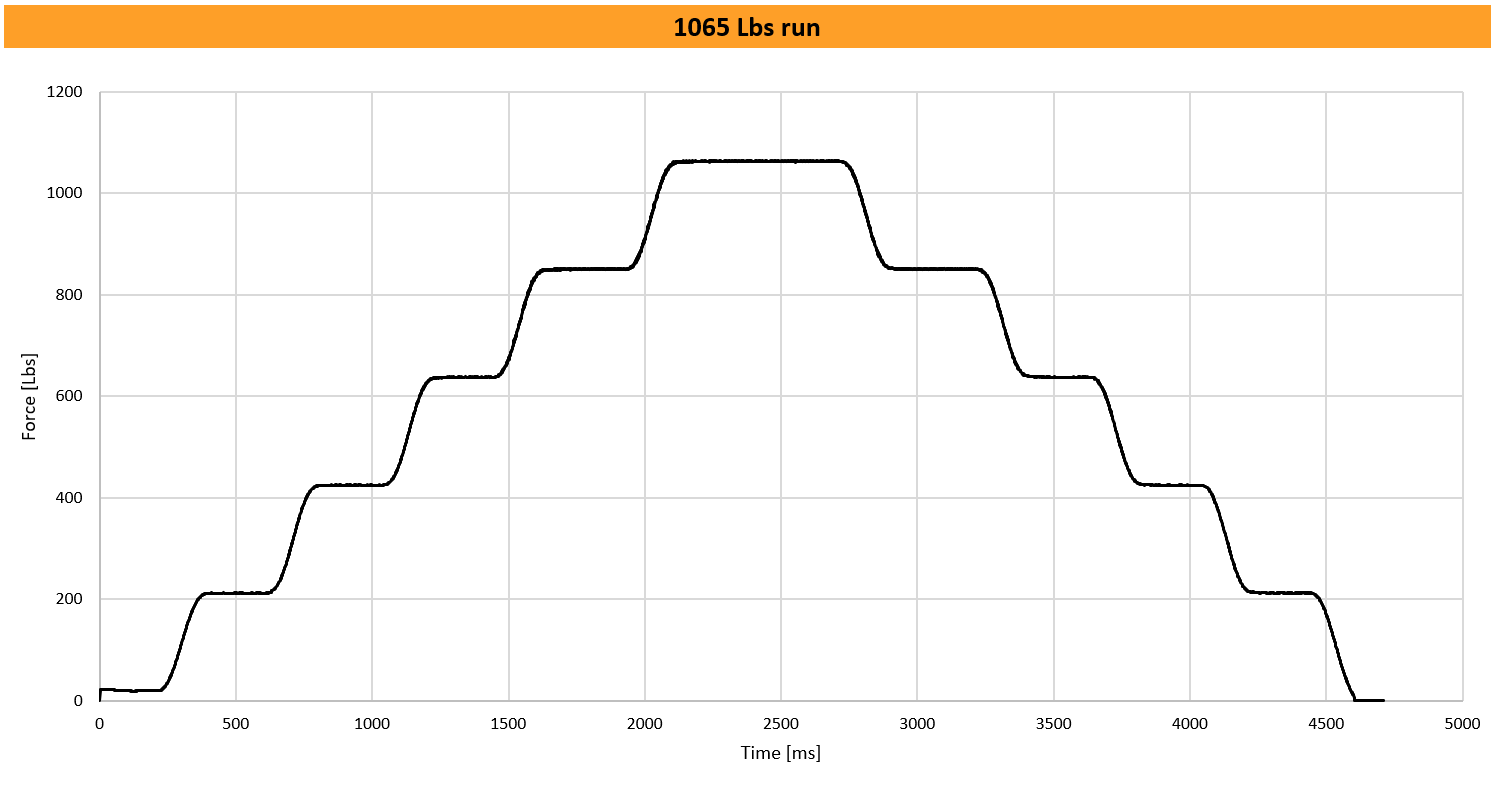
Figure 2. 1065 lb Force Control Test with 24" Braided Stainless Steel Hose
|
|
|
The customer reported that acceptable performance was achieved with an increase in damping compared to the hard-line configuration. This behavior is expected, as the added compliance of the hose reduces overall hydraulic stiffness and lowers the natural frequency of the hydraulic system.
For many applications, these effects can be addressed using standard tuning procedures in RMCTools. However, applications requiring high bandwidth, aggressive motion profiles, or maximum control performance may be more sensitive to hose compliance.
Practical Considerations
Braided stainless-steel hose can offer several advantages over hard tubing:
- Faster installation
- Simplified routing
- Reduced fabrication requirements
- Easier maintenance and service access
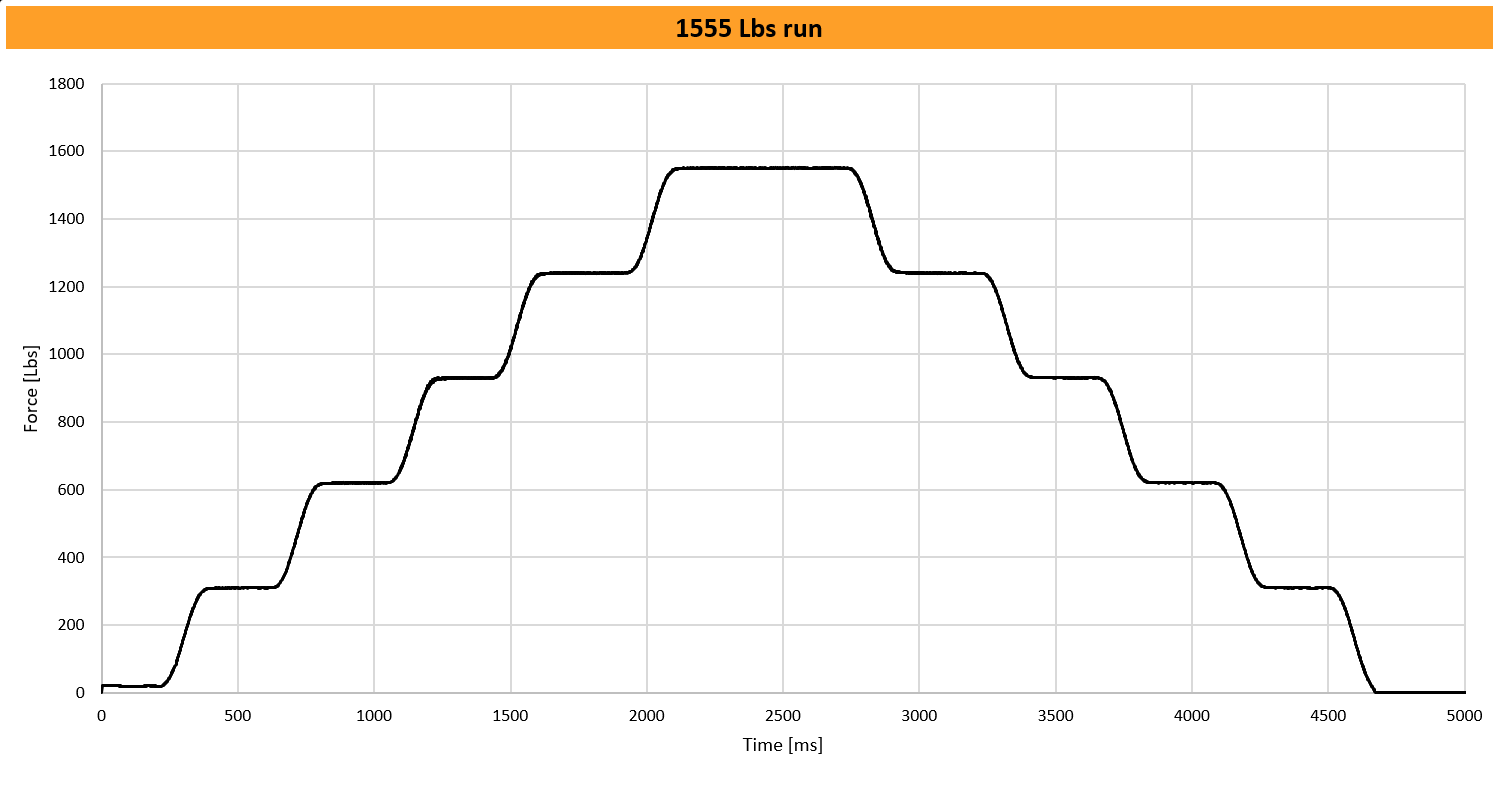
While hard tubing remains the preferred choice when maximum stiffness, bandwidth, and control performance are required, these test results demonstrate that short lengths of braided stainless-steel hose may be acceptable in some static force control applications. System performance should be evaluated on a case-by-case basis, as hose length, hose construction, actuator size, operating pressure, and machine dynamics all influence the results.
|
|
|
|
Figure 3. 1555 lb Force Control Test with 24" Braided Stainless Steel Hose
|
|
|
Engineering Takeaways
- Hard tubing remains the preferred choice for maximum hydraulic stiffness and control performance.
- Braided stainless-steel hose introduces compliance and additional fluid volume into the hydraulic circuit.
- Oscillation generally increased as hose length increased.
- A short 24-inch braided hose achieved acceptable performance in this specific static force control application.
- Additional damping was required compared to the hard-line configuration.
- Applications requiring high bandwidth, aggressive motion profiles, or precise position control may be more sensitive to hose compliance.
- System performance should always be validated for the specific application.
So, when is hose instead of pipe acceptable? Based on this testing, short lengths of braided stainless-steel hose may be acceptable in some static force control applications when the system is properly tuned and performance requirements allow for the additional compliance. However, hard tubing remains the preferred choice when maximum stiffness, bandwidth, and control performance are required.
|
|
UPCOMING WEBINAR
Deep Dive into the Latest EtherCAT Developments
|
|

|
|
Delta Motion is partnering with Design World to bring you an informative webinar focused on the latest developments in EtherCAT technology. Join industry experts as they explore advancements in synchronization, network architecture, diagnostics, and emerging capabilities that continue to make EtherCAT one of the leading industrial Ethernet protocols for automation. Whether you're building hydraulic, electric, or hybrid motion systems, this webinar offers valuable insights into how EtherCAT can help improve machine performance, flexibility, and scalability. Register today and stay up to date on the technologies shaping the future of industrial automation.
|
|
UPCOMING TRADESHOWS & CONFERENCES
|
|

|
|
We will be exhibiting at numerous industry events throughout the remainder of 2026. We would love to connect with you in person. If you are attending any upcoming shows, be sure to stop by our booth to meet the team, see our motion controllers in action, and discuss your application needs. We look forward to seeing you there.
|
|
UPCOMING TRAINING OPTIONS
|
|
|
This three-day course (eight hours per day) provides an in-depth exploration into advanced motion control concepts, featuring hands-on breakout sessions with real, live hydraulic and electric systems.
Completion of this course will provide a deeper mastery of Delta Motion's RMC motion controllers and RMCTools software—unlocking advanced functions, fine-tuning precision control, and gaining hands-on experience that you can immediately apply to real-world applications.
Topics covered in this course include:
|
|
- Advanced position tuning
- Setting up a controller
- Pressure-force control & tuning
- Advanced programming techniques
- Overlapped & non-linear valves
- PLC communication
|
- Tuning for underdamped systems
- Gain scheduling
- Servo motor control & tuning
- Gearing & camming
- Curves
- And more
|
|
|
Prerequisites: Completion of RMCTools Technical Training
|
|

|
|
Want to stay up to date with the latest from Delta Motion?
Follow us on social media for industry insights, tech tips, product updates, event news, and more!
📢 Follow us here:
LinkedIn
Facebook
YouTube
We'd love to connect with you; your feedback helps us to improve our products and support.
|
|
Delta Computer Systems, Inc. dba Delta Motion
1818 SE 17th Street
Battle Ground, WA 98604
United States
+1 360 254 8688
Delta Motion Ltd.
5 South Charlotte Street
Edinburgh EH2 4AN
United Kingdom
+44 131 447 7924
Email us at marketing@deltamotion.com.
|
|
|
|
|